Tuesday, October 02, 2012

Potamogeton pectinatus

Potamogeton pectinatus.


  Potamogeton pectinatus, also known as Stuckenia pectinata, is a cosmopolitan aquatic plant with very thin leaves that is found in lakes and rivers, usually forming dense floating mats on the water surface. It is commonly known as ribbon-weed or fennel pond-weed.

There are many species with thin leaves within the genus Potamogeton, including P. acutifolius, P. berchtoldii, P. compressus, P. trichoides and P. pusillus, a diversity which requires great expertise for their identification.

Also closely related are Althenia filiformis and Zannichellia palustris, both from different genera and native to Greece.
__________________________________________________________________


  Ο Potamogeton pectinatus, γνωστός επίσης και ως Stuckenia pectinata, είναι ένα κοσμοπολίτικο υδρόβιο φυτό, με  πολύ λεπτά φύλλα, το οποίο συγεντρώνεται σε πυκνούς σχηματισμούς στην επιφάνεια του νερού σε λίμνες και ποτάμια.

Υπάρχουν πολλοί Ποταμογείτονες με λεπτά φύλλα όπως οι P. acutifolius, P. berchtoldii, P. compressus, P. trichoides και P. pusillus, πράγμα που απαιτεί μεγάλη εξειδίκευση για την διάκριση και την αναγνώρισή τους.

Παρεμφερή είναι και τα φύκη Althenia filiformis και Zannichellia palustris, και τα δύο από διαφορετικά γένη και αυτοφυή στην Ελλάδα.


Potamogeton nodosus

Potamogeton nodosus.


  Potamogeton is a large genus of at least 90 submerged aquatic plants, with the friendly name deriving from the Greek words for neighbor (geton - γείτων) and river (potamos - ποταμός), and meaning "the river's neighbor". Many species die back during winter and form specialized bud-like shoots called "turions", that remain at the bottom. In Greece one can find 13 of these amazing species.

Potamogeton nodosus is a perennial aquatic plant native to Eurasia and the Americas, found in lakes, ponds, rivers and streams. The leaves, that are usually long, are either floating on the surface or submersed, borne on long petiols, which is one of the plant's distinctive features. The inconspicuous inflorescence is a spike of brownish-green flowers, extending out  of the water.

Potamogeton natans is a very closely related species, usually found floating in quiet water bodies, and with shorter leaves and petiols.
Also closely related are P. alpinus and P. coloratus.

Of the group of submersed aquatic species with broader leaves, P. lucens and P. perfoliatus have more translucent leaves, whereas P. crispus has wavy leaves.
P. crispus is also related to Groenlandia densa.
__________________________________________________________________


  Οι Ποταμογείτονες είναι ένα μεγάλο γένος περίπου 90 υδρόβιων, πλωτών ή βυθισμένων φυτών, πολλά από τα οποία μετασχηματίζονται στη διάρκεια του χειμώνα σε εξειδικευμένα μικρά βολβίδια-βλαστούς, τα οποία παραμένουν στο βυθό μέχρι την επόμενη άνοιξη. Στην Ελλάδα απαντώνται 13 από τα υπέροχα αυτά φυτά.

Ο Potamogeton nodosus είναι ένα πολυετές υδρόβιο φυτό ενδημικό της Ευρώπης, της Ασίας και της Ν. και Β. Αμερικής, που φυτρώνει σε λίμνες, βάλτους και ποτάμια. Τα φύλλα, τα οποία είναι συνήθως επιμήκη, είτε επιπλέουν στην επιφάνεια είτε είναι μέσα στο νερό, και έχουν χαρακτηριστικά μακρείς μίσχους. Τα σχετικά αφανή καφεπράσινα λουλούδια σχηματίζουν μια μικρή ταξιανθία που εξέχει από το νερό.

Ο Potamogeton natans με τον οποίο έχει πολύ μεγάλη ομοιότητα, απαντάται συνήθως σε ήσυχα νερά και έχει κοντύτερα φύλλα και μίσχους.
Αρκετή ομοιότητα εμφανίζουν και οι P. alpinus και P. coloratus.

Από την ομάδα των υδρόβιων βυθισμένων φυτών που έχουν φαρδύτερα φύλλα, ο P. lucens και ο P. perfoliatus έχουν φύλλα με αρκετή διαφάνεια, ενώ ο P. crispus έχει φύλλα κυματιστά.
Ο P. crispus παρουσιάζει επίσης αρκετή ομοιότητα με την Groenlandia densa.


Monday, October 01, 2012

Sparganium erectum

The unusual flowers of Sparganium erectum.


  Sparganium erectum is a beautiful perennial aquatic plant native to most of Europe and parts of W. Asia and N. Africa, with narrow, smooth, keeled and erect leaves that are very similar to those of species from the genus Typha. The plant bears very unusual globular flowers on branched spikes, with those at the tip of the spike being male and those further down female.
Sparganium erectum is easily mistaken for a Typha species, although much shorter, even when in flower, due to its short and inconspicuous flower spike.

Sparganium angustifolium, the only other Sparganium species in Greece, is a very small aquatic species compared to the tall and erect Sparganium erectum, but with a flower spike that is quite similar.
__________________________________________________________________


  Το Sparganium erectum είναι ένα όμορφο πολυετές υδρόβιο φυτό της Ευρώπης και τμημάτων της δυτικής Ασίας και της Βόρειας Αφρικής, με στενά, λεία, κοίλα και όρθια φύλλα πολύ όμοια με εκείνα των μελών του γένους Typha. Το φυτό παράγει πολύ ασυνήθιστα σφαιρικά λουλούδια πάνω σε διακλαδισμένους βλαστούς, από τα οποία εκείνα που βρίσκονται στις άκρες είναι αρσενικά και εκείνα που βρίσκονται πιο κάτω και κεντρικά είναι θηλυκά.
Το Sparganium erectum εύκολα συγχέεται με τα μέλη του γένους Typha, παρόλο που είναι σημαντικά πιο κοντό, ακόμη κι όταν είναι ανθισμένο, εξαιτίας των αφανών και σχετικά κοντών ανθισμένων βλαστών του.

Το Sparganium angustifolium, που είναι και το μόνο άλλο είδος του γένους αυτού στην Ελλάδα, είναι ένα πολύ μικρό υδρόβιο φυτό σε σχέση με το ψηλό και όρθιο Sparganium erectum, έχει όμως παρόμοια άνθη.


Typha angustifolia

Typha angustifolia reflections.


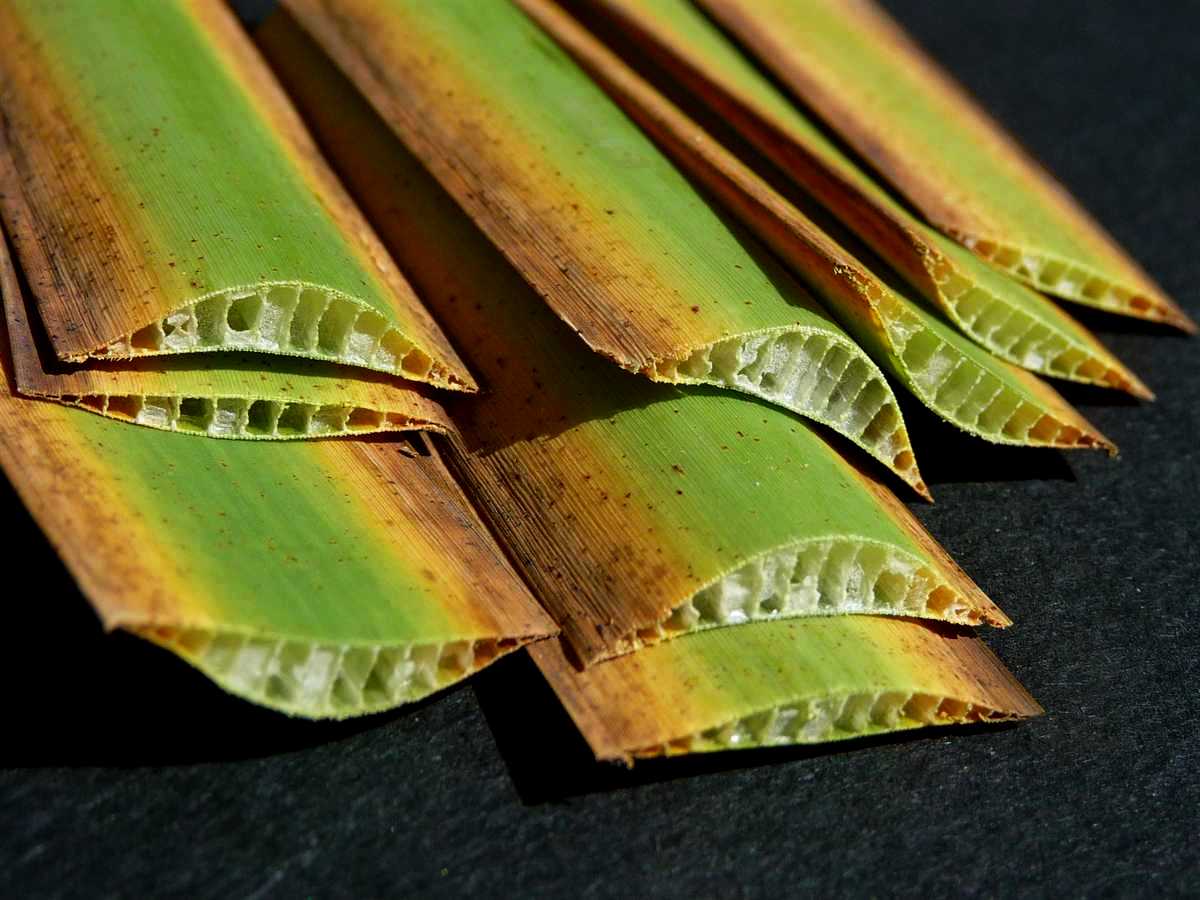
  Typha angustifolia, commonly known as Narrowleaf Cattail or Lesser Bulrush, is a herbaceous perennial aquatic plant, widespread mostly in the Northern Hemisphere. This very graceful and sophisticated plant spreads by rhizomes, forming large interconnected stands in the mud or in shallow waters. The erect linear leaves are narrow ("angustifolia" means narrow-leaved), smooth and keeled (hollow and longitudinally separated in equal compartments). The very distinctive brown, thick velvety, cylindrical flower spike, is the part with the female flowers, whereas the male flowers are at the top of the stem that remains bare after pollination. This is an edible plant, especially the roots, fresh shoots and flower spikes in spring.

Typha angustifolia can be distinguished from the very closely related Typha latifolia, by its narrower leaves ("latifolia" means broad-leaved), and by the clear separation between female and male flowers (in T. latifolia these are connected).

Typha laxmanii, also known as Typha minima, is the third species found in Greece (out of the 11 members of this genus), and is mainly distinguished by its shorter flower spikes.
__________________________________________________________________


  Η Typha angustifolia, είναι ένα πολυετές ποώδες υδρόβιο φυτό, ευρέως διαδεδομένο κυρίως στο Βόρειο Ημισφαίριο. Αυτό το κομψό και καλοσχεδιασμένο φυτό εξαπλώνεται γρήγορα κυρίως μέσω των ριζωμάτων του, σχηματίζοντας μεγάλες αποικίες στη λάσπη ή σε ρηχά στάσιμα νερά. Τα όρθια γραμμικά του φύλλα είναι στενά ("angustifolia" σημαίνει "που έχει στενά φύλλα"), λεία, κοίλα και ενισχυμένα εσωτερικά (κούφια και κατά μήκος διαχωρισμένα σε ίσα διαμερίσματα). Τα πυκνά θηλυκά άνθη σχηματίζουν το πολύ χαρακτηριστικό σκούρο-καφέ, χοντρό, βελούδινο και κυλινδρικό βούρλο, ενώ τα αρσενικά άνθη αναπτύσσονται στην άκρη του βλαστού η οποία απομένει γυμνή μετά την επικονίαση. Πρόκειται για ένα σημαντικό εδώδιμο φυτό, με ρίζες, φρέσκους βλαστούς και άνθη που τρώγονται ιδιαίτερα την άνοιξη.

Η Typha angustifolia μπορεί να διακριθεί από το πολύ συγγενές είδος Typha latifolia, από τα λεπτότερα φύλλα της ("latifolia" σημαίνει "με πλατιά φύλλα"), και από τον ξεκάθαρο διαχωρισμό των θηλυκών από τα αρσενικά λουλούδια (στην T. latifolia αυτά είναι ενωμένα).

Η Typha laxmanii, γνωστή και ως Typha minima, είναι το τρίτο είδος που απαντάται στην Ελλάδα (από τα 11 είδη αυτού του γένους), και ξεχωρίζει γενικά από τα μικρότερα κεφάλια των λουλουδιών.